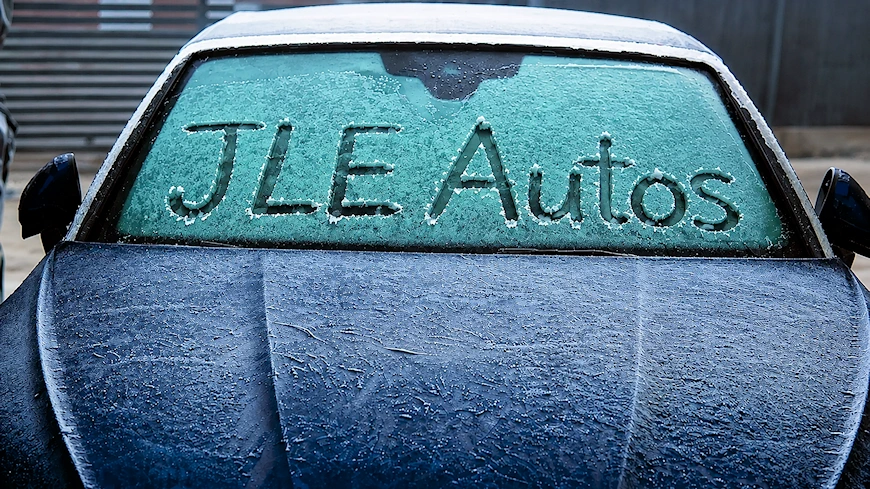

A properly functioning car heater isn’t just about staying warm and comfortable – it’s an important safety feature, particularly during the colder months. Before setting off, you should always ensure that your windscreen and side windows are completely clear. Never attempt to drive if the inside of the glass is heavily misted or covered in condensation, and equally never drive away with ice or snow obscuring your view through the windscreen or windows. Your vehicle’s heating and ventilation system plays a vital role in keeping the glass clear, allowing you to see other road users and react safely to changing conditions.
If your heater is blowing cold air, taking an unusually long time to warm up or simply isn’t performing as it should, it’s worth having it investigated. A poorly performing heater isn’t always just an inconvenience – it can often be an early indication of a problem elsewhere in the engine’s cooling system.
Your vehicle’s heater doesn’t generate its own heat. Instead, it uses heat produced by the engine. Hot coolant circulates through a small radiator known as the heater matrix, while a blower fan pushes air through it and into the cabin. If any part of this system isn’t working correctly, you’ll soon notice the difference.
1. Low Engine Coolant
One of the most common reasons for poor cabin heating is a low coolant level. Without sufficient coolant circulating through the engine and heater matrix, there simply isn’t enough heat available to warm the air entering the cabin. If your coolant level repeatedly drops, it could indicate a leak that should be investigated as soon as possible.
2. The Engine Isn’t Reaching Temperature
If your engine takes an unusually long time to warm up, or the temperature gauge barely moves, the thermostat may be stuck open. This allows coolant to circulate continuously, preventing the engine from reaching its normal operating temperature and reducing the effectiveness of the heater. Replacing a faulty thermostat is often a straightforward repair.
3. Blocked Heater Matrix
Over time, corrosion or contaminated coolant can partially block the heater matrix. This restricts the flow of hot coolant, meaning less heat is transferred into the cabin. In some cases, the matrix can be flushed through, while more severe blockages may require replacement.
If your heater suddenly starts blowing cold air after previously working normally, particularly if accompanied by a rising temperature gauge, stop driving as soon as it is safe to do so. Continuing to drive with an overheating engine can result in serious and expensive engine damage.
4. Faulty Heater Controls
Many modern vehicles use electric motors to direct airflow and regulate cabin temperature. If one of these actuators or blend doors fails, the heater may continue blowing cold air even though the engine has reached its normal operating temperature. This type of fault often requires diagnostic equipment to identify accurately.
5. Blower Motor Problems
If no air is coming from the vents at all, the problem may not be the heater itself but the blower motor, resistor pack, fuse or associated wiring. Depending on the fault, you may find that the fan only works on certain speed settings or doesn’t operate at all.
6. Air Trapped in the Cooling System
Following coolant replacement or certain repairs, air can sometimes become trapped within the cooling system. Air pockets prevent coolant from circulating correctly through the heater matrix, resulting in intermittent or poor cabin heating. Bleeding the cooling system correctly usually resolves the problem.
Don’t Ignore Poor Heater Performance
A heater that isn’t performing properly is often an early warning that something isn’t quite right elsewhere in the cooling system. While the lack of warm air is inconvenient, ignoring the underlying cause could eventually lead to overheating, coolant loss or more costly repairs.
If your car’s heater isn’t keeping you warm, the experienced team at JLE Autos can quickly diagnose the problem and recommend the most appropriate repair. Whether it’s a simple thermostat replacement or a more involved cooling system fault, we’ll get your vehicle heating properly again and help keep you comfortable throughout the colder months.
Disclaimer: This article is intended as general information only and should not be taken as a definitive diagnosis of any specific vehicle fault. Symptoms can have multiple causes, and accurate diagnosis may require professional inspection. If you suspect your vehicle is overheating, stop driving when it is safe to do so and seek professional assistance.


